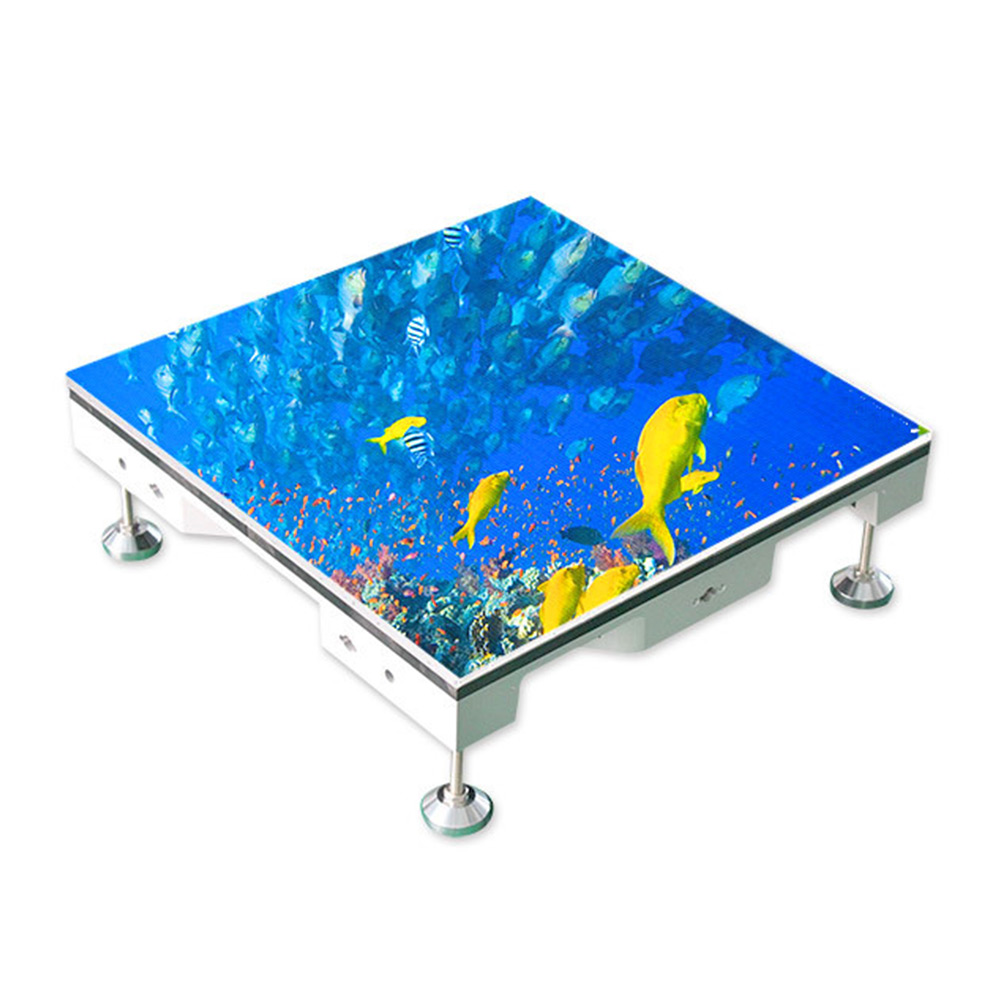
NewsSite EditorSite/uploads/image/68931a3c33409.pngThis guide explains the key types, advantages, installation methods, costs, and selection tips to help you choose the right solution. Although different from retail items like a vape display, rental LED screens follow the same principle—capturing attention through bright, high-quality visuals.
The Complete Guide to Rental LED Displays: Types, Applications, Installation, and Buying Tips
Views: 1459Author: Site EditorPublish Time: 2025-12-02Origin: Site
Rental LED displays have become an essential visual tool for events, exhibitions, and temporary promotions. With vibrant images, flexible installation, and durable design, they help brands deliver clear messages in both indoor and outdoor environments. This guide explains the key types, advantages, installation methods, costs, and selection tips to help you choose the right solution. Although different from retail items like a vape display, rental LED screens follow the same principle—capturing attention through bright, high-quality visuals.
Types of Rental LED Display
To begin with, it is important to understand the different types of rental led display products available today. Each type serves a specific purpose, allowing event organizers to choose a screen that fits the venue and viewing distance.
1. Indoor Rental LED Display
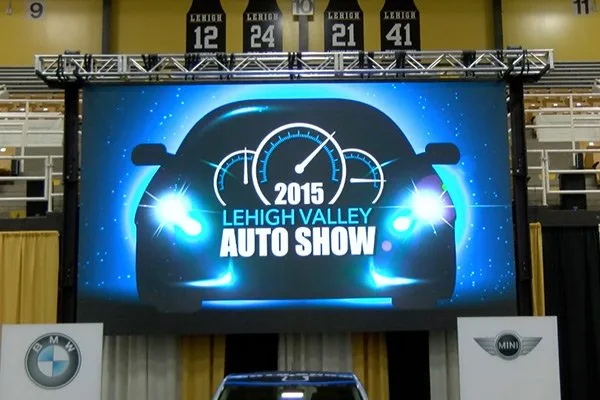
Indoor rental LED displays offer high resolution, soft brightness, and modular panel design. They are commonly used in conferences, exhibitions, studios, and live performances. Because indoor viewing distances are short, fine-pixel options like P2.6 or P3.91 help create sharp and engaging visuals. This makes them especially useful for product demos, promotional booths, and presentations.
2. Outdoor Rental LED Display
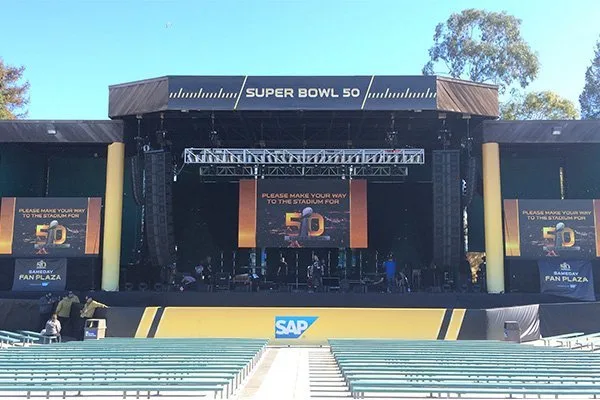
Outdoor rental LED displays are built with high brightness, strong waterproof protection (usually IP65), and durable frames. They ensure clear visibility under sunlight and in challenging weather. Outdoor concerts, festivals, city events, and sports broadcasts often rely on these screens for stable performance. Their rugged design makes them suitable for long-distance viewing and crowded outdoor environments.
3. Mobile Rental LED Display
A mobile rental LED display is pre-assembled on a truck or trailer, allowing users to move it quickly between event locations. Because it requires little setup time, it is ideal for temporary promotions, public announcements, and outdoor advertising. For businesses that need cost-effective solutions without complex structures, mobile LED screens provide both convenience and flexibility.
4. Plug-and-Play LED Poster Rental LED Display
Plug-and-play LED posters are compact rental LED displays that require almost no installation. Users simply power them on, and the screens are ready to display content. Multiple units can be linked together to form a larger screen, making them a popular choice for weddings, trade shows, product launches, and corporate events. Their simplicity is similar to how a vape display is used in retail stores—quick to set up and capable of attracting immediate attention.
Applications of Rental LED Display
After learning about the different types, it becomes clear that a rental LED display can be used in many industries. Thanks to their bright colors and dynamic content, they help events deliver messages more clearly and professionally.
Trade Shows & Expos: Exhibitors use them to showcase products, run videos, and attract more booth visitors.
Retail Stores & Pop-Up Kiosks: LED screens highlight promotions and guide customers, just like a vape display grabs attention in small retail spaces.
Weddings & Social Events: The screens display photos, videos, and live moments to enhance the atmosphere.
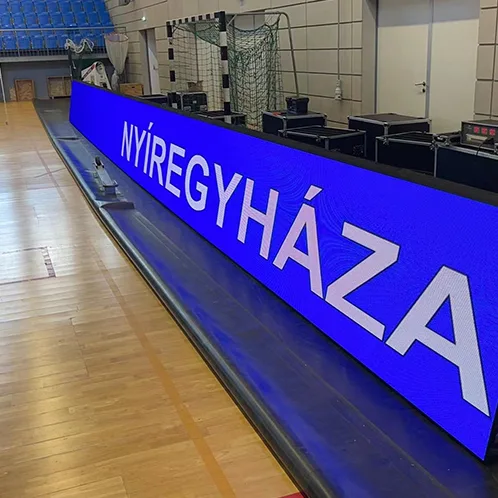
Outdoor Concerts & Sports Events: They provide real-time updates such as schedules, scores, announcements, and crowd information.
Advertising & Billboards: Large rental LED displays deliver high-impact messaging that reaches thousands of people daily.
Advantages of Rental LED Display
To understand why rental LED display solutions are so popular, it is helpful to examine their unique benefits.
1. Lightweight and Portable Structure
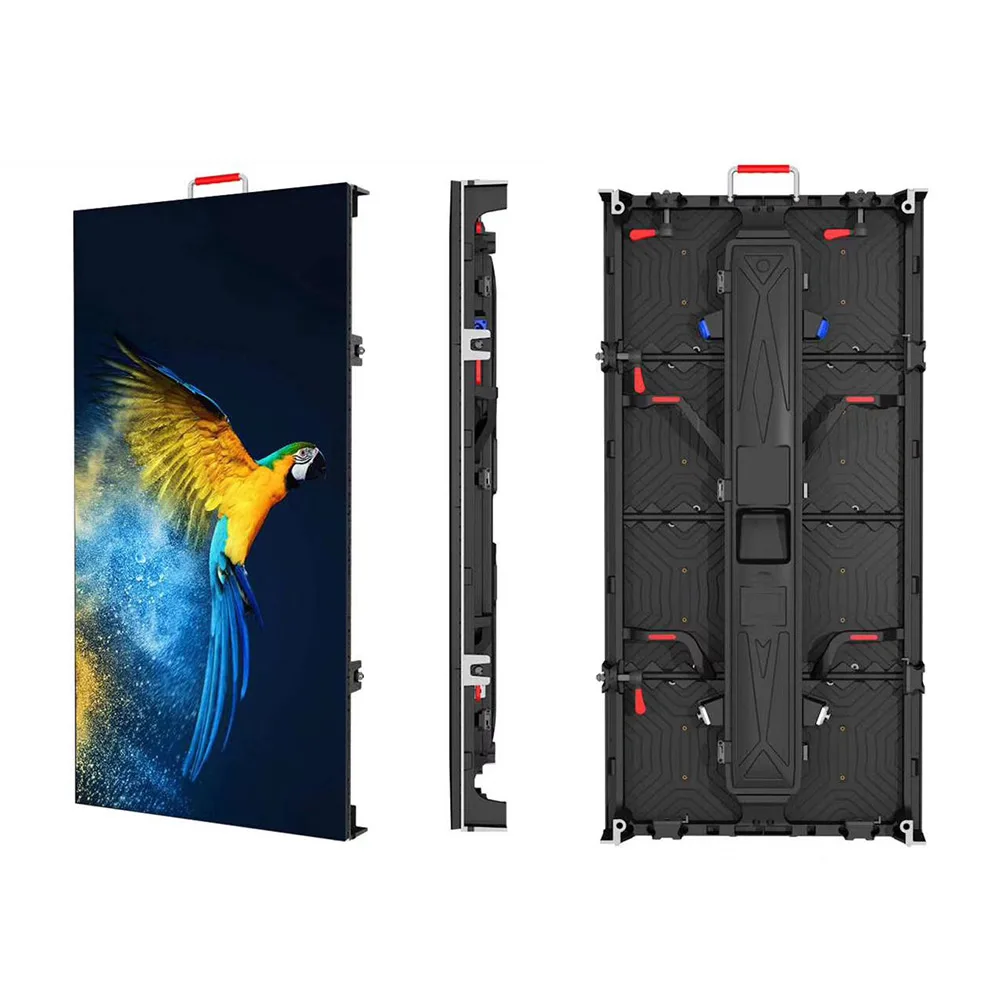
Most rental LED screens use aluminum cabinets instead of heavy steel, reducing the overall weight. This makes transportation easier and shortens preparation time.
2. Seamless Splicing for Better Visuals
Precision aluminum frames allow rental LED displays to achieve seamless connections between panels. Small gaps are reduced to as little as 0.1mm, ensuring a smooth and immersive viewing experience.
3. Fast Installation and Maintenance
With quick-lock systems and front/rear maintenance designs, rental LED displays can be installed or removed in minutes. This efficiency is especially important for event companies that often change locations.
4. Longer Service Life Through Better Heat Dissipation
Aluminum cabinets dissipate heat efficiently, protecting internal components and prolonging the life of the LED modules.
5. Cost-Effective for Temporary Use
Event organizers can enjoy high-quality visuals without the cost of purchasing a full LED system. Fewer screens are needed due to high brightness, which helps reduce budgets even further.
6. Weather-Resistant for Outdoor Use
Outdoor rental LED displays can withstand rain, wind, and temperature changes. Their stable performance ensures consistent results regardless of environmental conditions.
Installation Methods for Rental LED Display
Because rental LED displays move often between events, quick and safe installation is essential.
1. Hanging Installation
This method uses truss systems or ceiling beams to suspend the screen. It is commonly used for concert stages and exhibition backdrops. Safety checks must be done before lifting.
2. Stacking Installation
Here, the rental LED display is supported from the ground using steel bases and brackets. It is suitable for outdoor exhibitions, press conferences, and temporary backgrounds.
3. Key Safety Considerations
Handle cabinets carefully to avoid LED lamp damage.
Never install or remove panels while powered on.
Check LED modules with a multimeter before powering up.
Confirm stable power and secure structures before use.
Control Systems for Rental LED Display
Understanding control systems helps ensure smooth operation during events.
1. Synchronous Control System
A synchronous rental LED display shows real-time content from a connected computer. If the computer stops sending signals, the screen stops immediately. It is widely used for live broadcasts.
2. Asynchronous Control System
An asynchronous rental LED display stores content inside a control box. It operates without a computer and plays scheduled content. This method is suitable for ads and simple looping videos.
3. Choosing the Right System
Under 2.3 million pixels: both systems work.
Over 2.3 million pixels: synchronous is recommended.
Popular brands: Novastar, Colorlight, LINSN, Huidu, Xixun.
Rental LED Display Cost Guide
To make a smart rental decision, it is important to understand what affects pricing.
1. Key Cost Factors
Indoor or outdoor screen
Pixel pitch (smaller pitch = higher price)
Screen size and installation method
Labor, transportation, and support services
Rental duration (charged from warehouse departure time)
2. Typical Cost Range
Costs vary from a few thousand dollars to hundreds of thousands depending on the screen size and event type. Larger setups naturally require more budget.
3. How to Save Costs
Choose the right pixel pitch based on viewing distance.
Select the correct installation method.
Avoid overspecification by assessing the real needs of the event.
How to Choose a Reliable Rental LED Display Provider
Finally, selecting the right supplier is essential for ensuring smooth performance throughout the event.
Check industry experience and past projects.
Confirm pricing transparency, including installation and dismantling fees.
Read customer reviews and ask for technical support details.
Verify the availability of spare parts and onsite service.
Conclusion
A rental LED display is a powerful tool that enhances events, marketing, and visual communication across various industries. With flexible installation, excellent durability, and bright visual performance, it offers reliable value for both indoor and outdoor use. By understanding the types, applications, advantages, control systems, and cost factors, you can choose a solution that matches your event needs while staying within budget.
If you are looking for a reliable LED display supplier for rental projects or customized solutions, HSC LED offers professional products, fast support, and high-quality rental LED display systems for any event or venue. Contact HSC LED today to get expert recommendations tailored to your needs.