As digital display technology advances, LED and OLED have become two widely used solutions for delivering high-quality visual experiences. From commercial displays to televisions and mobile devices, both technologies play an important role in modern visual communication.
Although LED and OLED displays deliver vivid images, strong contrast, and rich colors, they use different technologies and offer different advantages. For businesses choosing a display solution, the key is not only image quality but also which technology best meets their application needs.
This article compares LED and OLED displays in terms of working principles, brightness, image quality, durability, energy efficiency, cost, and commercial applications. So, is LED display better than OLED? The answer depends on where and how it will be used.

1. What Is an LED Display?
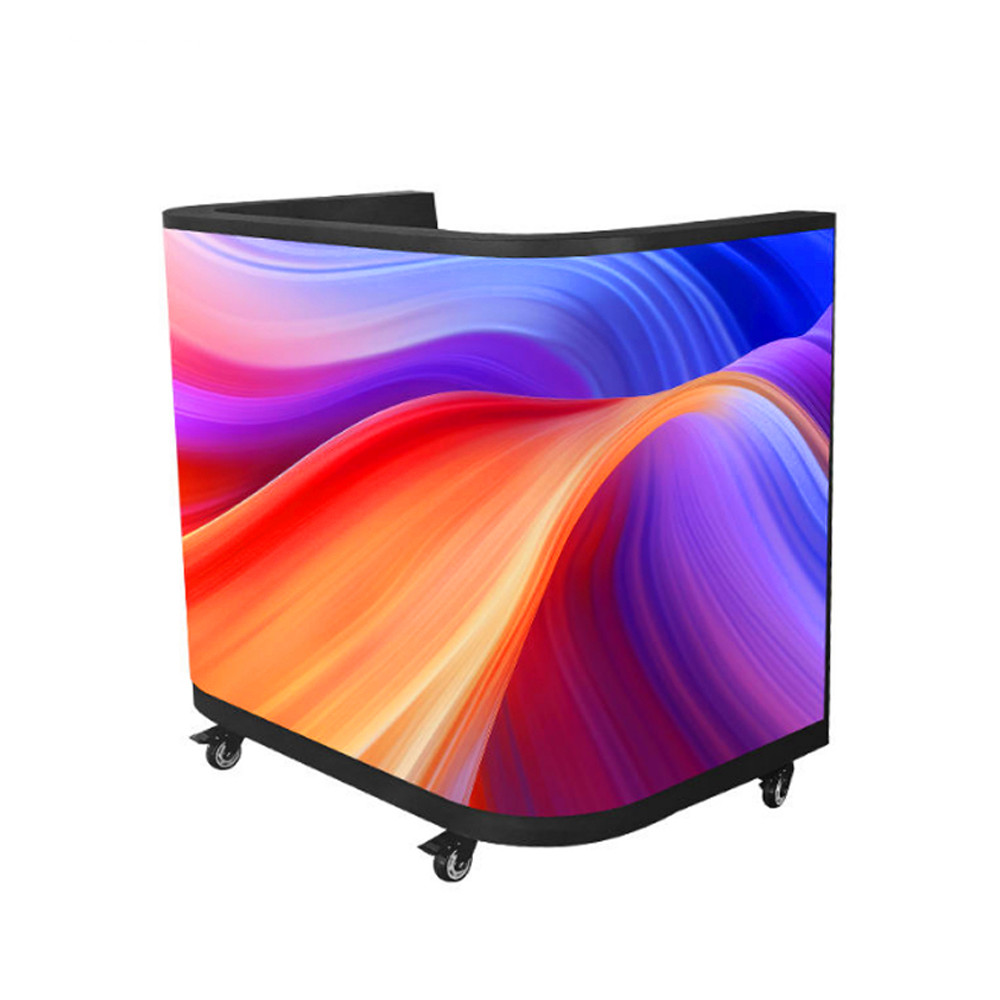
LED stands for Light Emitting Diode. An LED display uses multiple LED chips as light-emitting units to create images and videos. Unlike LCD screens that require a backlight, direct-view LED displays produce light directly from LED pixels. With high brightness, modular design, and flexible installation options, LED displays are widely used in outdoor advertising screens, airports, shopping malls, exhibitions, and other commercial applications.
2. What Is an OLED Display?
OLED stands for Organic Light Emitting Diode. Each OLED pixel generates its own light, allowing precise pixel control, true blacks, excellent contrast, and an ultra-thin design. OLED displays are commonly used in smartphones, premium TVs, and high-end monitors where image quality is a priority.
3. LED Display vs OLED: What Are the Differences?
Although both LED and OLED displays can deliver high-quality visuals, they use different technologies and have different strengths. The following table highlights the key differences between LED and OLED displays.
Feature | LED Display | OLED Display |
Light source | LED chips | Organic self-emitting pixels |
Brightness | Very high | High |
Contrast | Excellent | Superior |
Viewing distance | Suitable for close and long-distance viewing | Mainly suitable for close viewing |
Size scalability | Excellent for large and customized installations | Limited |
Lifespan | Long | Shorter due to organic materials |
Burn-in risk | Very low | Higher |
Cost | More affordable for large screens | More expensive |
Commercial applications | Widely used in various industries | More limited |

4. LED Display vs OLED: Which One Performs Better?
Choosing between LED and OLED depends on the application requirements. Key factors such as brightness, image quality, screen size, durability, energy efficiency, and cost determine which display technology is more suitable.
4.1 Brightness and Visibility
Brightness is critical for commercial displays. LED displays provide extremely high brightness levels, ensuring clear and visible content in environments such as outdoor advertising, airports, shopping malls, and event venues.
4.2 Contrast and Image Quality
OLED displays offer excellent contrast because each pixel can turn off independently, creating true blacks and outstanding image depth. However, modern LED displays with fine pixel pitch can also deliver high-quality images for commercial applications.
4.3 Screen Size and Customization
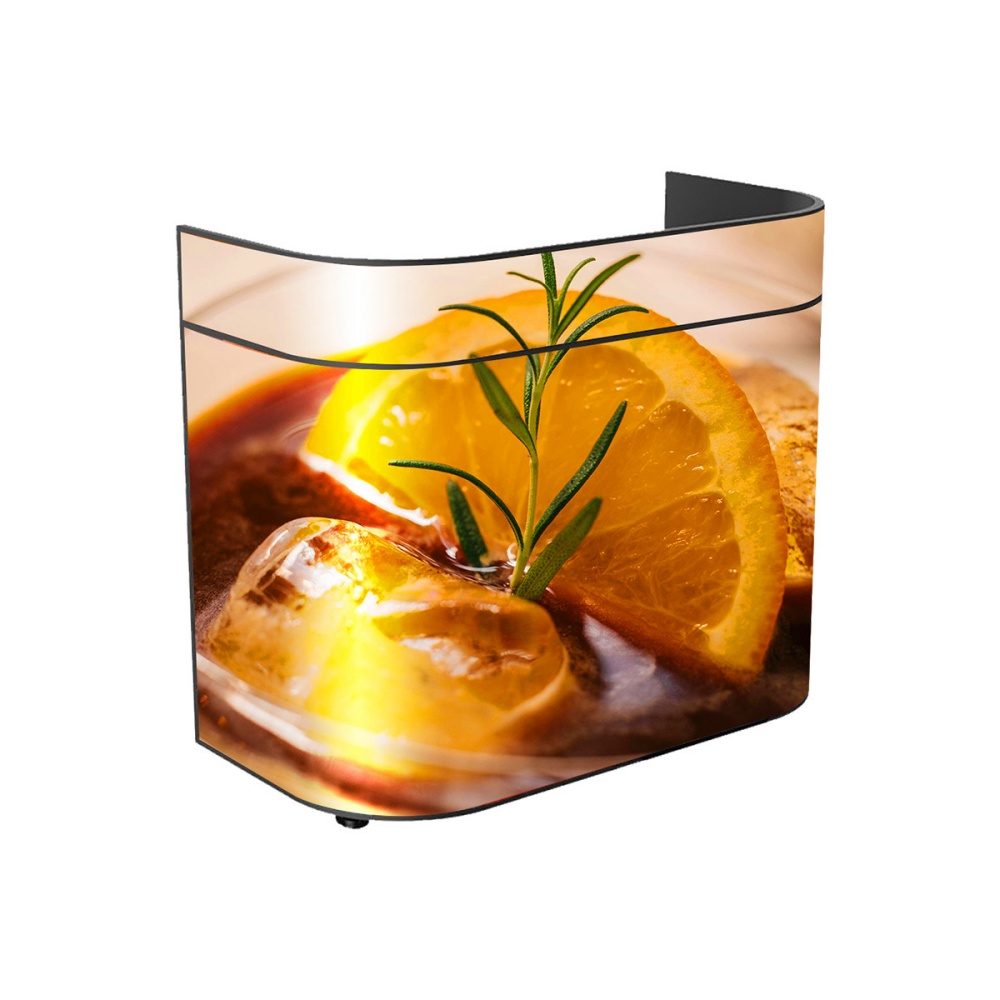
A major advantage of LED displays is scalability. LED modules can be combined into different sizes and shapes, making them ideal for large video walls, curved LED screens, flexible LED displays, circular LED signs, and customized installations. OLED panels are more limited in large-scale applications.
4.4 Durability and Lifespan
LED displays are designed for long-term operation, offering long service life, easy maintenance, and replaceable modules. These advantages make them suitable for commercial environments that require continuous display performance.
4.5 Energy Efficiency and Cost
Both technologies can offer energy-efficient performance. However, LED displays usually provide better ROI through lower cost per square meter, longer lifespan, easier repair, and flexible installation options.
Overall, OLED is suitable for premium close-viewing applications, while LED displays provide greater advantages in brightness, scalability, durability, and cost-effectiveness, making them a practical choice for most commercial display projects.
5. Is LED Display Better Than OLED for Commercial Applications?
For commercial applications, LED displays are often a more practical choice due to their brightness, scalability, and flexibility.
Large-scale visual impact: Ideal for airports, shopping malls, and exhibition halls.
Flexible installation: Supports flexible LED screens, curved LED displays, and creative LED signs.
Continuous operation: Suitable for advertising, information displays, and events.
Custom solutions: Businesses can customize the shape, size, pixel pitch, and installation method to meet specific project requirements.
6. How to Choose a Reliable LED Display for Commercial Use?
Choosing the right LED display for commercial applications requires considering several key factors, including display performance, installation environment, operating time, and maintenance needs.
A reliable commercial LED display should offer high brightness, stable performance, long service life, and flexible customization options to meet different project requirements. Businesses should also consider factors such as pixel pitch, screen size, viewing distance, and installation method to ensure the best visual experience.
For projects such as advertising, exhibitions, airports, hotels, and shopping malls, selecting an experienced LED display manufacturer with strong technical capabilities and quality control is essential. A professional supplier can provide customized solutions that improve display performance, reduce maintenance costs, and maximize long-term value.
7. Conclusion
LED and OLED displays both offer unique advantages. OLED provides superior contrast and premium image quality, while LED displays deliver higher brightness, better scalability, longer lifespan, and lower costs. For commercial applications, LED displays are often the more practical and cost-effective solution.
Choosing the right display technology depends on your project needs, including installation environment, screen size, operating time, and budget. As a professional LED display manufacturer, HSC LED provides customized LED solutions to create engaging and high-performance visual experiences.