LED displays are widely used in advertising, digital signage, exhibitions, airports, shopping malls, and other commercial environments. As these displays often operate for many hours every day, businesses need reliable solutions that can maintain stable performance over time.
One common concern among users is whether LED displays can suffer from burn-in or image retention after long-term use. Understanding what causes these issues and how to properly maintain LED displays is essential for ensuring durability and consistent visual performance in commercial applications.
This article explains whether LED displays can get burned in, what factors affect their lifespan, and how to choose a reliable LED display solution.
1. What Is Burn-in on a Display?
Led display burn-in is a permanent image retention issue where certain images or patterns remain visible even after the displayed content changes. It usually occurs when some areas of a display experience uneven aging over time. When pixels or light-emitting components repeatedly display the same content, they may degrade differently from other areas.
Common examples of content that may cause burn-in include:
It is important to distinguish burn-in from temporary image retention. Temporary image retention usually disappears after displaying different content, while burn-in is a long-term or permanent issue caused by uneven component aging.
2. Can LED Displays Get Burned In?
Generally, LED displays have a very low risk of burn-in and rarely experience permanent image retention under normal operating conditions. Compared with some other display technologies, LED screens are designed to provide stable performance for long-term commercial use.
LED displays use inorganic semiconductor LED chips as light-emitting components. This structure provides several advantages, including stable light output, strong durability, and a long operating lifespan. Unlike displays that rely on organic materials, LED chips are less likely to suffer from uneven degradation, which is one of the main causes of permanent burn-in.
However, although LED displays are highly resistant to burn-in, certain usage conditions can still affect their long-term performance. Factors that may impact LED display lifespan include:
-
Extremely long-term static content
-
Excessive brightness settings
-
Poor heat dissipation
-
Lack of regular maintenance
Understanding these factors can help businesses maximize LED display lifespan and maintain consistent visual performance.
3. What Factors Affect LED Display Lifespan?
3.1 Static Content
LED displays are highly resistant to burn-in, but continuously displaying the same image for a very long period may cause uneven aging of LED components. Common examples include fixed advertisements, brand logos, information screens, and menu boards. Using changing content and dynamic visuals can help distribute usage across different LED areas and reduce the risk of LED screen image retention caused by static content.
3.2 Brightness Settings
Brightness affects both image performance and component lifespan. Operating an LED display at excessively high brightness for long periods may increase stress on LED components, generate additional heat, and accelerate aging. Brightness should be adjusted according to the indoor or outdoor environment, ambient lighting conditions, and viewing distance. Proper brightness control helps maintain stable performance while reducing unnecessary power consumption.
3.3 Heat Management
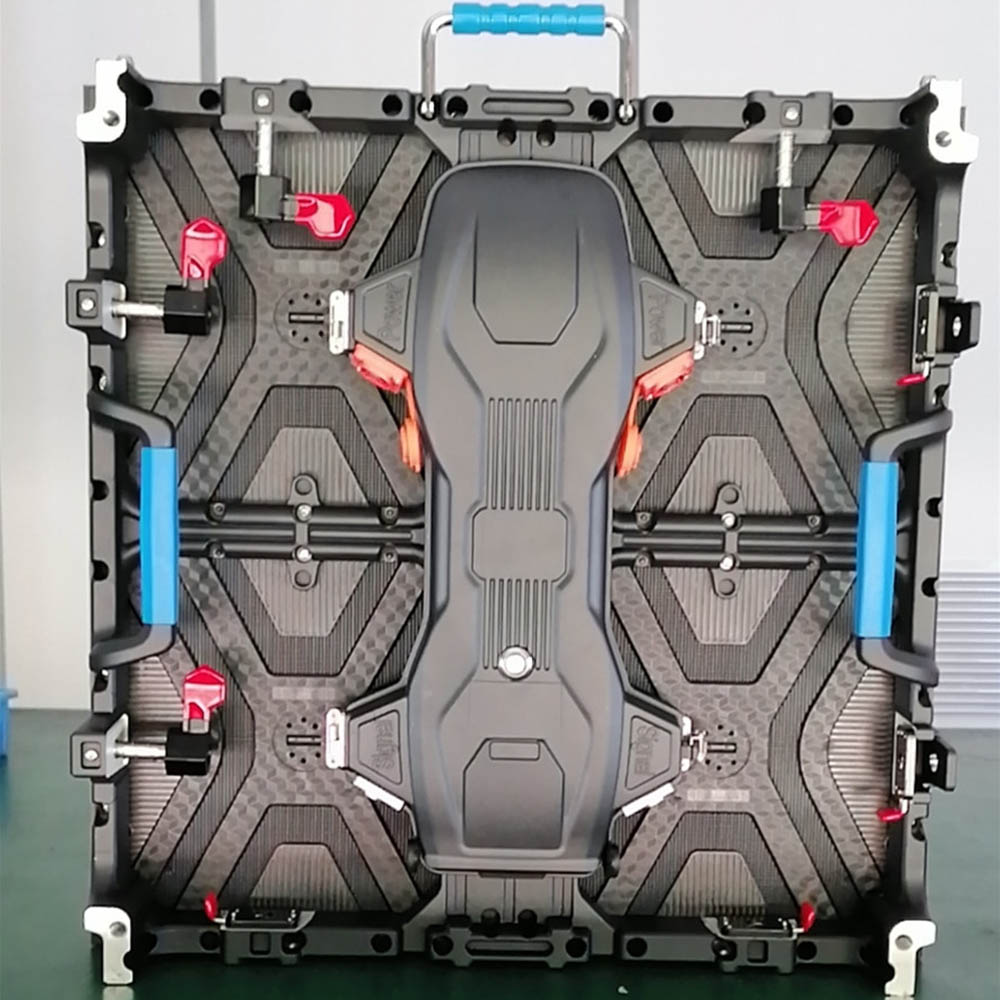
Heat is one of the most important factors affecting LED display reliability. Long-term exposure to high temperatures may cause faster component aging, reduced brightness consistency, and shorter lifespan. Reliable LED displays require efficient heat dissipation design, quality LED modules, and stable power systems, especially for large LED walls, outdoor displays, and long-hour operation.
3.4 Driver IC and Calibration Technology
Modern LED displays use advanced driver ICs and calibration systems to ensure consistent performance. These technologies provide uniform brightness, accurate color reproduction, stable pixel performance, and reduced uneven aging during long-term operation.
4. How to Prevent Image Retention on LED Displays?
Although LED displays rarely suffer from burn-in, proper operation and maintenance can further improve their lifespan and performance.
4.1 Use Dynamic Content
Regularly updating displayed content instead of showing the same image continuously can help reduce uneven LED usage. This is especially important for advertising displays, digital signage, and event screens.
4.2 Optimize Brightness Levels
Running an LED display at maximum brightness all the time is unnecessary in many environments. Adjusting brightness based on viewing conditions, ambient light, and content requirements can reduce component stress, improve energy efficiency, and extend lifespan.
4.3 Perform Regular Maintenance
Regular maintenance, including brightness calibration, module inspection, power system checks, and software updates, helps identify potential issues early and keeps LED displays operating reliably.

5. How to Choose a Reliable LED Display?
Selecting the right LED display helps ensure long-term performance and better return on investment. Key factors include:
|
Consideration
|
What to Check
|
|
Display Quality
|
LED chips for stability, brightness consistency, and lifespan;
pixel pitch for viewing distance and image detail;
brightness, refresh rate, and color performance for better visuals.
|
|
Application Environment
|
Installation location, viewing distance, operating hours,
and lighting conditions to match the right LED solution.
|
|
Manufacturer Experience
|
Production capability, quality control, customization options,
and technical support.
A reliable manufacturer can provide solutions such as
flexible LED screens, digital LED posters, and creative LED displays.
|
For businesses seeking customized commercial LED display solutions, choosing an experienced manufacturer helps ensure reliable performance and successful project delivery.
6. Conclusion
LED displays generally have a very low risk of burn-in compared with many other display technologies. With durable LED chips, advanced control systems, and proper maintenance, they can deliver stable performance for long-term commercial applications.
Choosing the right LED display depends on your application environment, screen requirements, operating conditions, and budget. As a professional LED display manufacturer, HSC LED provides creative LED displays and customized solutions, including flexible LED screens, digital LED posters, circle LED signs, and tailored LED display solutions. Contact HSC LED to discuss your next project.