When businesses search for the difference between LCD and LED screen, they are usually looking for the right display solution for their specific projects. Although both technologies are widely used for visual communication, they are designed for different application requirements.
Choosing between LED and LCD screens depends on factors such as screen size, installation environment, viewing distance, operating hours, and budget. A display that works well in a conference room may not be suitable for an airport, shopping mall, or outdoor advertising project.
This article compares LED and LCD screens in technology, performance, applications, cost, and selection considerations to help businesses make the right choice.

1. What Is an LED Screen?
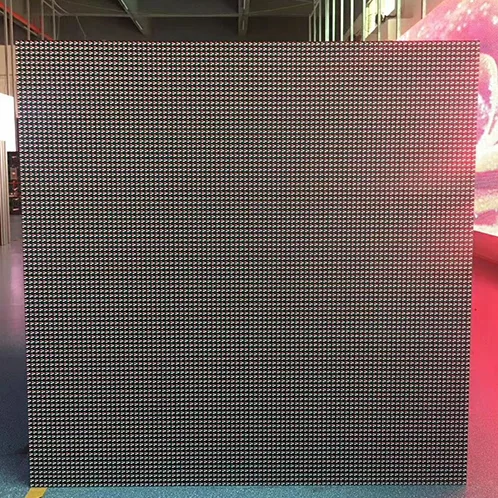
An LED screen is a direct-view display technology that uses LED chips to generate light and create images. Unlike fixed-size display panels, LED screens are built by combining multiple modules, allowing customized screen sizes and creative designs.
How Does an LED Screen Work?
LED screens use RGB LED chips to create colors and images. Each module includes LED pixels, driving components, and control systems, and multiple modules can be assembled into complete displays. With high brightness, self-emitting pixels, and flexible installation, LED screens are widely used for advertising, exhibitions, airports, shopping malls, and event stages.
2. What Is an LCD Screen?
An LCD (Liquid Crystal Display) screen uses liquid crystals to control light transmission from a backlight source and create images. With a fixed-size panel structure and integrated design, LCD screens provide stable image quality and simple installation.
LCD displays are commonly used for office monitors, TVs, small digital signage, and meeting room displays. They are suitable for applications that require standardized screen sizes, close viewing distances, and straightforward display solutions.
3. LED Screen vs LCD Screen: Key Differences
Although both technologies are used to display images and videos, their different structures lead to significant differences in performance, installation, and applications.
Feature | LED Screen | LCD Screen |
Display technology | Direct-view LED modules | Liquid crystal panel with backlight |
Light source | LED chips generate light directly | Requires a backlight source |
Structure | Modular display system | Fixed-size panel |
Screen size | Highly scalable | Limited by panel size |
Brightness | Higher brightness | Moderate brightness |
Customization | Flexible sizes and creative designs | Limited customization |
Installation | Project-based installation | Simple mounting |
Maintenance | Individual module replacement | Usually requires panel replacement |
Best applications | Large commercial displays | Small and fixed-size displays |
4. LED Screen vs LCD Screen: Performance Comparison
4.1 Brightness and Visibility
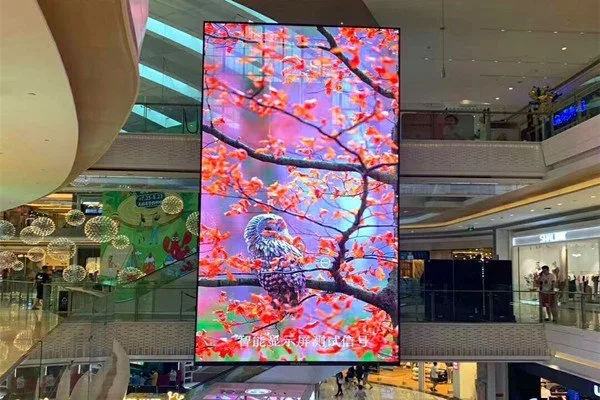
For commercial displays, brightness directly affects visibility. LED screens offer higher brightness and stronger visual impact, making them suitable for outdoor advertising led screens, airports, stadiums, and shopping malls. LCD screens are better for controlled indoor environments.
4.2 Screen Size and Installation Flexibility
LED screens have greater scalability. They can be built into large video walls, curved screens, flexible displays, and creative installations. LCD screens use fixed-size panels, making large-scale customization more difficult.

4.3 Image Quality and Viewing Experience
LCD screens provide high pixel density and are suitable for close viewing. LED displays offer seamless large screens, high brightness, and better visibility from a distance, making them ideal for commercial spaces.
4.4 Durability and Cost
LED displays provide longer service life, modular maintenance, and stable performance for long-hour operation. Although LCD screens usually have a lower initial cost for small projects, LED offers better long-term value for large installations.
5. LED Screen vs LCD Screen: Which One Is Better for Commercial Applications?
The right choice depends on where and how the display will be used. In general, LED screens are preferred for large-scale, high-visibility, and customized commercial projects, while LCD screens are suitable for smaller displays with fixed sizes and close viewing distances.
5.1 LED screens are commonly used for:
Outdoor advertising:High brightness and strong visibility help deliver clear images in outdoor environments.
Shopping malls:Large display areas and impressive visual effects improve customer engagement.
Exhibition halls:Flexible installation supports customized sizes and creative display designs.
Event stages:Large-scale LED solutions create immersive and dynamic visual experiences.
5.2 LCD screens are commonly used for:
Meeting rooms:Fixed sizes and high pixel density provide clear close-range viewing.
Office displays:Simple installation and stable image quality meet daily business needs.
6. How to Choose the Right Display Solution?
Choosing between LED and LCD requires evaluating your project requirements, including installation environment, screen size, viewing distance, operating hours, custom design needs, and budget. A suitable display solution should match both current usage conditions and long-term performance expectations.
For large commercial projects, supplier capability is also important. Businesses should consider product quality, manufacturing experience, customization options, and technical support to ensure reliable performance. Working with an experienced LED display manufacturer can help create a solution that meets specific application needs.
7. Conclusion
LED and LCD screens are designed for different purposes. LCD is suitable for fixed-size indoor applications, while LED offers greater advantages in brightness, scalability, customization, and long-term commercial use, especially for large commercial projects.
Choosing the right display solution depends on your application needs, installation environment, and project goals. HSC LED specializes in creative LED displays and customized solutions, helping businesses create impactful visual experiences for exhibitions, airports, hotels, shopping malls, events, and other commercial environments.